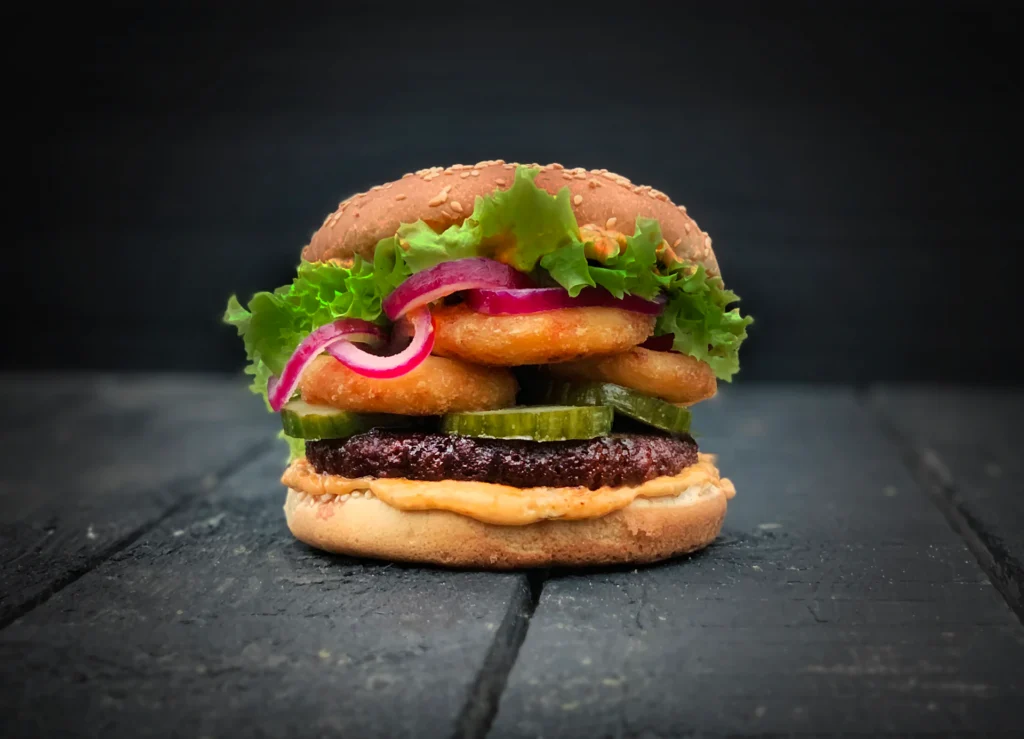
The European Parliament has approved an amendment banning the use of words such as “burger”, “hamburger”, “sausage”, “steak”, “escalope” or “carpaccio” for products that contain no meat.
In practice, plant-based food producers will no longer be able to use names that evoke the world of meat, even when accompanied by terms such as “veg”, “veggie” or “soy”.
The vote was far from unanimous: 355 MEPs in favour, 247 against and 30 abstentions.
It was one of the most debated decisions of recent months in the field of European food policy.
The amendment, inserted into the Common Agricultural Policy reform package, stems from the idea that words traditionally associated with meat should remain reserved for products of animal origin.
According to its promoters, the aim is to “ensure clarity for consumers” and protect agricultural and livestock producers from what is perceived as unfair competition.
Supporters of the measure argue that using words like “burger” or “sausage” for plant-based foods can cause confusion, leading buyers to believe they are purchasing a product with nutritional characteristics similar to meat.
For them, a “lentil burger” is not simply a healthier or more sustainable variant, but an improper use of an identity term, one that is part of a deeply rooted food tradition.
Criticism and the political divide
The measure, however, has deeply divided the European Parliament and public opinion.
Many MEPs and environmental organisations have criticised the ban, calling it an ideological rather than a practical battle — a way to symbolically defend meat rather than truly inform consumers.
According to those opposed, citizens know perfectly well what they are buying when they read “vegetable burger” or “tofu sausage”: no one thinks it is meat.
The language of food, they argue, has evolved alongside eating habits. Banning terms that are now in common use would mean hindering innovation and penalising a growing sector.
Furthermore, many companies will have to face rebranding and repackaging costs to comply with the new rules, with economic effects that cannot be overlooked.
Italian positions
The Italian delegation in Strasbourg also showed itself to be divided.
- In favour of the ban, the MEPs of Fratelli d’Italia, Lega and Forza Italia voted as a bloc, speaking of “defending the Made in Italy agri-food sector and livestock farmers”.
- Against, on the other hand, were many representatives of the Partito Democratico, Alleanza Verdi e Sinistra and the Movimento 5 Stelle, who accused the majority of “weaponising words” to block the ecological transition in the food sector.
In other words: a divide that mirrors national ideological lines, tradition versus innovation, protectionism versus free market.
What happens now
The regulation approved by Parliament is not yet definitive law.
It will need to be discussed with the member states and approved by the Council of the European Union before it can enter into force.
If confirmed, it will require plant-based food producers to change their labels, packaging and advertising materials.
No more “veggie burger”, but perhaps “chickpea patty”, “vegetable disc” or “soy-based preparation”.
A language that many consider more artificial and less comprehensible to the public.
On one side is the desire to protect traditions; on the other, the need to make room for new, more sustainable models of consumption and production.
The battle over the “veggie burger” is not merely a linguistic dispute: it is a reflection of the tension between past and future, between local food culture and global innovation.
Ultimately, the way we name food reveals how we want to think about our relationship with nature, the future and sustainability.
How did Italian MEPs vote?
We have collected the positions of individual Italian MEPs.
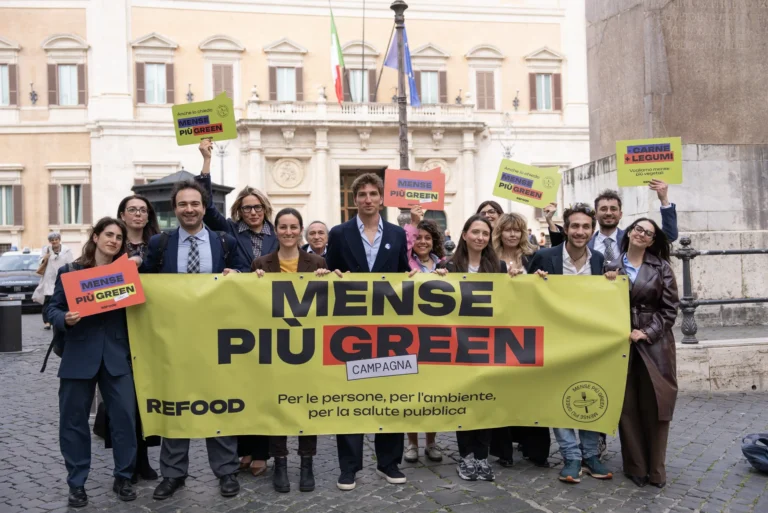
Next week we will be in Brussels to meet them and lay the groundwork for the next vote, with the aim of overturning this decision that is harmful to the sector and to consumers.
/* Semi-transparent backdrop behind the dialog */ dialog::backdrop { background: rgba(0, 0, 0, 0.45); backdrop-filter: blur(2px); }/* — REFOOD table style — */ dialog table { width: 100%; border-collapse: collapse; margin-top: 1rem; font-size: 15px; line-height: 1.5; }dialog th, dialog td { text-align: left; padding: 12px 16px; border-bottom: 1px solid #e0e0e0; }dialog th { background-color: #000; color: #fff; font-weight: 600; text-transform: uppercase; letter-spacing: 0.05em; }dialog tr:nth-child(even) { background-color: #f9f9f9; }dialog tr:hover { background-color: #f0f0f0; transition: background-color 0.2s ease; }dialog td:first-child, dialog th:first-child { border-top-left-radius: 8px; }dialog td:last-child, dialog th:last-child { border-top-right-radius: 8px; }/* Responsive optimisation */ @media (max-width: 600px) { dialog table { font-size: 14px; } dialog th, dialog td { padding: 10px; } }