
Why the EAT-Lancet planetary diet was born
If our Planet could choose which diet to adopt for its inhabitants, it would probably point to one capable of nourishing the entire population well and, at the same time, of respecting its own balance. It is precisely with this goal in mind that the proposal of the EAT-Lancet Commission was born.
The EAT-Lancet Commission, which brings together experts from 17 countries and various disciplines, was born from an international scientific initiative promoted by the EAT Foundation and the journal The Lancet, uniting experts in nutrition, public health, agriculture, economics and environmental sciences with the aim of defining evidence-based guidelines for healthy and sustainable food systems.
The new 2025 report
In the most recent report, published in 2025, the Commission updated its 2019 recommendations by proposing new scientific targets to transform diets and food systems in order to improve global health, reduce environmental impact and promote greater equity in food access. According to the Commission, in order to simultaneously protect human health and the health of the Planet, it is necessary to move towards a healthy, sustainable and low-environmental-impact dietary model.
The result is a unified vision in which what promotes and protects people’s health can and must also be good for the health of the Planet.
In other words, this is not a “fashionable” diet, but a dietary model that concerns each one of us: what we put on our plate every day can become a concrete tool for prevention and environmental protection.
What are the pillars of this diet?
The proposed diet, defined as the global or planetary diet, places plant-based foods at its centre, encouraging a marked reduction in animal-based foods and a limited intake of added sugars, saturated fats and salt.
According to the report, the large-scale adoption of this dietary style could contribute significantly to reducing the incidence of obesity and widely prevalent conditions in Western countries, such as type 2 diabetes, cardiovascular diseases and certain cancers, preventing millions of deaths every year.
At this point it is natural to wonder how to put into practice, in everyday life, a diet that favours plant-based foods over animal ones such as meat, fish, eggs and dairy products.
How to apply it in everyday life (it’s easier in Italy)
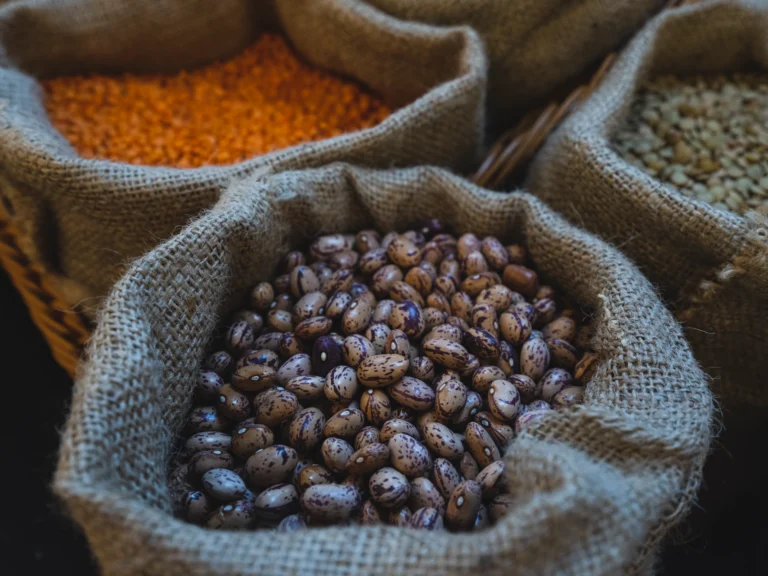
In fact, for us Italians it is easier than one might think, since these foods are part of our culinary tradition: cereals, legumes, dried fruit, vegetables and fresh fruit. The so-called “EAT-Lancet plate” features half the plate composed of vegetables and fruit, while the other half is divided between whole grains and protein sources, favouring plant-based ones.
Examples of dishes in line with this composition could be a large grain salad (wholegrain pasta or rice, spelt, quinoa, oats) with roasted chickpeas and oil seeds (pumpkin, sunflower or sesame), all dressed with extra virgin olive oil and lemon juice, accompanied by artichokes or fennel gratin baked in the oven, and finished with seasonal fruit. Or a lentil and vegetable soup (potatoes, carrots, celery, cabbage) with toasted wholegrain bread and a drizzle of raw EVO oil, or a wholegrain couscous with seasonal vegetables and pea and sweet potato patties, and fresh fruit.
These are examples that are easy to incorporate into the daily routine and adaptable to personal tastes. The important thing is to start simply by gradually increasing plant-based meals during the week, choosing whole grains instead of refined ones and using legumes as a protein source — working up to daily consumption — pairing them with pasta, soups, salads, as snacks (oven-roasted with spices), in sandwiches as spreads (hummus), or as flours to use in biscuits, cakes, pancakes, muffins, etc.
Small steps make a difference
It is not necessary to change everything overnight: even small steps, if consistent, make a difference. And as for plant-based proteins, these are obtained from the variety of plant foods consumed throughout the day and, when caloric needs are met, they provide sufficient amounts of all essential amino acids (those that our body cannot synthesise on its own and must obtain through diet).
In this regard, the EAT-Lancet Commission Report highlights not only the environmental sustainability and benefits for human health, but also the full nutritional adequacy of plant-based proteins compared to those of animal origin.
Finally, reference is also made to some recommendations concerning certain nutrients that are important to consider in order to obtain health benefits and disease prevention, and this applies both to those who choose a vegetarian diet and to the general population.
Which nutrients should be monitored?
These are omega-3 fatty acids, calcium, iron, vitamin D and vitamin B12. With the exception of vitamin D, which we obtain through sun exposure, and vitamin B12, which can be taken as a supplement (cyanocobalamin is the most bioavailable form), by following a varied and well-planned diet — possibly with the support of a professional — we can adequately meet these nutritional needs.
An everyday gesture with a double impact
Choosing what to put on our plate is an everyday gesture, simple yet powerful: it can become an act of care towards ourselves and towards our Planet.