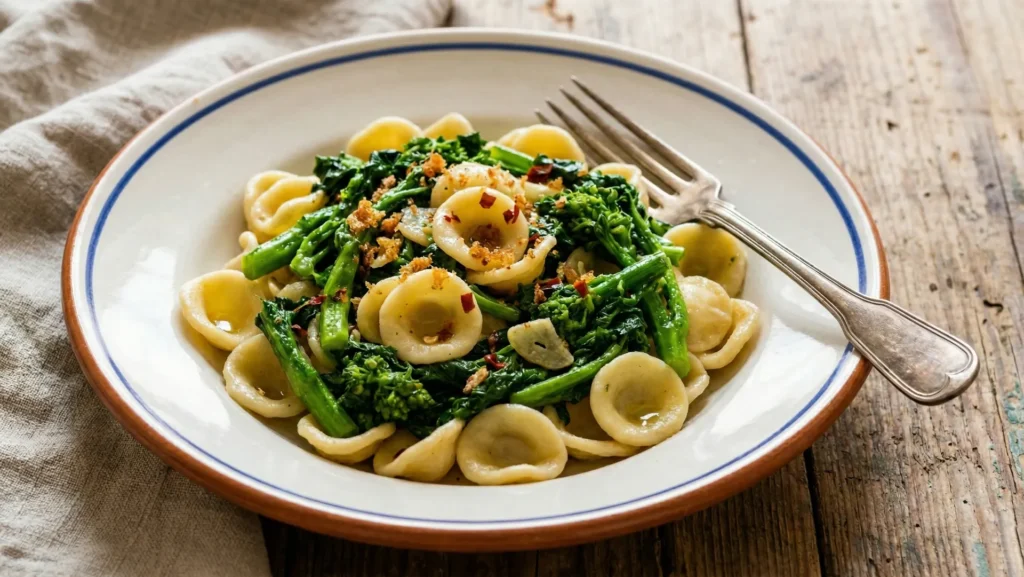
The Brassicaceae family, also known as cruciferous vegetables, includes a large number of vegetables such as broccoli, cabbage, cauliflower, turnips, radishes, turnip greens, rocket, watercress, mustard, wasabi and many others.
Beyond their culinary value, cruciferous vegetables represent a true reservoir of essential micronutrients and bioactive compounds, so much so that they are often considered nutraceutical foods — that is, capable of providing specific benefits to our body.
Vitamins, minerals and fibre: what cruciferous vegetables provide
From a nutritional standpoint, cruciferous vegetables are an important source of vitamins and minerals.
In terms of vitamins, they provide in particular:
- Vitamin C, a key antioxidant that supports the immune system
- Vitamin K, important for blood clotting and bone metabolism
- Vitamin E, a fundamental plant-derived antioxidant
They also contain a decent amount of potassium, calcium, phosphorus, iron, magnesium, zinc, selenium and sulphur. Equally significant is their fibre content, which is essential for gastrointestinal health and glycaemic control.
These elements can be observed in various species such as broccoli, cabbage and cauliflower, which also feature carotenoids, polyphenols and enzymes with antioxidant activity such as SOD (superoxide dismutase), catalase and peroxidase.
Glucosinolates: the defining characteristic of Brassicaceae
The most distinctive property of Brassicaceae is the presence of glucosinolates, sulphur-containing compounds found in high concentrations in many species of the family.
When these molecules are hydrolysed, they form isothiocyanates, indoles and other biologically active derivatives, including:
- Sulforaphane
- Indole-3-carbinol
- Phenethyl isothiocyanate (PEITC)
- Benzyl isothiocyanate (BITC)
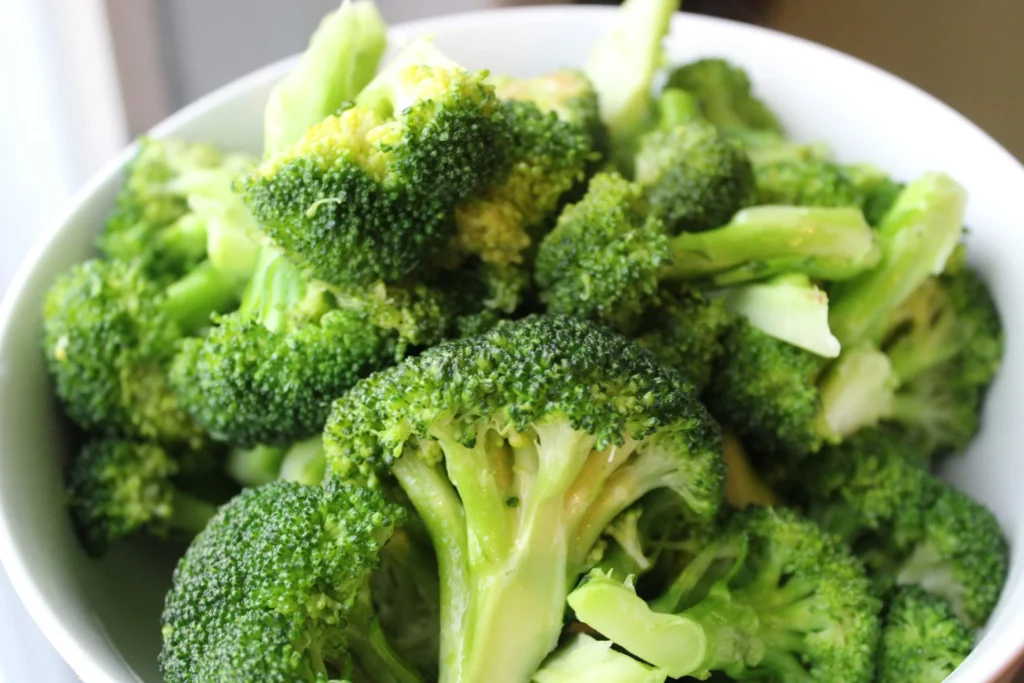
It is worth noting that cutting and chopping broccoli, followed by a rest of about half an hour before cooking or consuming it, promotes the activation of the enzymes involved in the formation of bioactive compounds.
Glucosinolate derivatives are important because they activate enzymatic detoxification pathways and stimulate cellular networks that counteract oxidative stress, contributing to the neutralisation of free radicals involved in cellular ageing and tissue degeneration. Isothiocyanates also influence cellular signals involved in inflammation, with potentially anti-inflammatory effects documented in preclinical studies.
Benefits of cruciferous vegetables: health and prevention (what the studies suggest)
Brassicaceae, in experimental in vivo and in vitro models, show antioxidant, anti-inflammatory and chemoprotective activity.
One of the most studied areas is the association between cruciferous vegetable consumption and reduced cancer risk. Several literature reviews indicate that a high intake of Brassicaceae is correlated with a lower risk of various cancers, in particular:
- colorectal cancer
- prostate cancer
- gastric cancer
- breast cancer
The antitumour properties are attributed mainly to glucosinolate derivatives, which can modulate detoxifying enzymes, inhibit cell proliferation, promote apoptosis and suppress pro-tumour signals.
Finally, review studies suggest that a diet rich in glucosinolates and their metabolites may have anti-inflammatory and antioxidant effects that are also beneficial in the context of cardiovascular diseases and metabolic disorders (such as dyslipidaemia and glycaemic alterations).
A specific review also highlights the preventive potential of cruciferous vegetables in gastrointestinal tract cancers, including colorectal carcinoma and other digestive tumours. Some studies, however, emphasise the need to standardise dosages and methods in future human trials to fully confirm the effects observed in preclinical models.
How to consume them: cooking and preservation of active compounds
It is important to note that the content of these molecules can decrease with certain cooking methods. The ideal approach, therefore, is to consume cruciferous vegetables raw (where possible) or lightly cooked (for example steamed or braised with a little water) to best preserve glucosinolates and their active derivatives. Furthermore, pairing cooked cruciferous vegetables (such as broccoli or cauliflower) with small amounts of raw cruciferous vegetables such as rocket, watercress or mustard allows the intake of active enzymes that facilitate the formation of bioactive compounds even in the cooked dish.
Conclusion: more cruciferous vegetables in a plant-based diet
A varied plant-based diet cannot but include the different species of cruciferous vegetables. Incorporating them regularly at the table, following natural seasonality, within a varied and balanced diet, not only improves the intake of essential micronutrients, but also provides bioactive compounds that, as we have seen, have been associated with potential protective mechanisms against cancer, inflammation, oxidative stress and metabolic conditions such as dyslipidaemias and cardiovascular diseases.
So, more broccoli for everyone!