Recently, two articles reported worrying data on the eating habits of young children in Italy.
The first, published on Corriere Cook, reveals that almost one in two children does not regularly consume either vegetables or legumes.
The second, on Sky TG24, highlights an excessive consumption of sweet and savoury snacks and sugary drinks from the very first years of life.
As a dietitian with expertise in overweight and obesity and a specialisation in vegetarian and vegan nutrition, I would like to offer some reflections to better understand the problem – and above all to imagine concrete solutions.
We are not looking at two separate trends, but at two sides of the same coin.
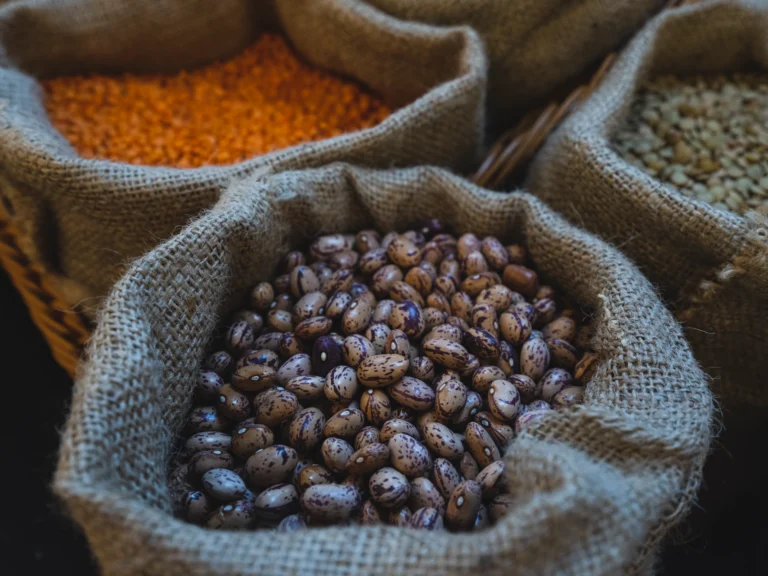
On one hand, a drastic reduction in the consumption of natural, protective plant-based foods (such as legumes and vegetables).
On the other, an explosion of ultra-processed products – calorie-dense but nutrient-poor – that are taking up ever more space in meals and snacks.
The data are clear:
- 46.4% of Italian children do not eat vegetables or legumes
- More than 50% consume sweet snacks more than 3 times a week, and 25% drink sugary drinks daily
In both cases, children’s diets are dangerously drifting away from the Mediterranean model, so strongly recommended by the Guidelines for the prevention of obesity, diabetes and other chronic diseases.
All too often, an unbalanced diet in childhood is thought of as a long-term problem.
In reality, we are already seeing the consequences today:
- rising rates of childhood overweight and obesity (over 27% of children between 5 and 19 years of age);
- growth in allergies and metabolic disorders associated with the excessive consumption of ultra-processed foods;
- deficiencies in essential fibre, vitamins and minerals.
Yet solutions do exist, and many of them involve rediscovering (more) plant-based eating.
Vegetables, legumes, fruit, wholegrains and nuts: these are the foods that should be at the centre of children’s daily diet – not only because they are “good for you”, but because:
- children enjoy them when they are introduced the right way, without pressure and with the right family example;
- they are versatile, affordable and sustainable;
- they help build a taste for real food from an early age, preventing dependence on artificial, overly sweet or salty flavours.
Every day I see families who, once guided, rediscover just how simple, enjoyable and educational it can be to put together balanced meals for children using natural, accessible ingredients.
To reverse course, an integrated approach is needed: from proper nutrition education in schools, to supporting families (without blame, but with practical tools) and reducing junk-food advertising aimed at young children.
The data from the Corriere and Sky TG24 articles come as no surprise to those who work in the field every day, but they must serve as a collective wake-up call.
We can no longer put it off: encouraging a more plant-based, simpler and more mindful approach to eating is not just a nutritional choice. It is a social responsibility.