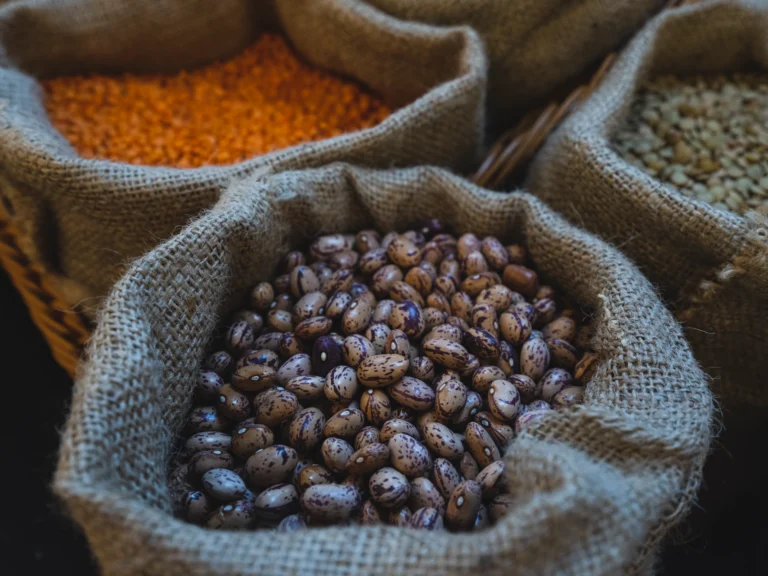

Proteins are one of the three macronutrients, along with carbohydrates and fats. Macronutrients, unlike micronutrients, are also capable of providing energy, which in the case of proteins amounts to 4 kcal per gram, the same as carbohydrates and less than half the calories provided by fats (9 kcal/gram). But proteins are above all essential for muscles, bones and organs, as well as for regulatory, transport and immune defence processes. The digestibility and amino acid profile of plant-based foods have raised doubts about the adequacy of protein in plant-based diets, a topic debated among both experts and the general public, but which we can now confidently assert is a myth.
Regarding the amino acid profile, it has now been confirmed that plant-based diets ensure an adequate protein intake, including all 20 amino acids, essential ones included.
The lower digestibility of plant proteins, attributable mainly to their fibre content, is however real, but can easily be worked around by increasing the amount of protein in the diet: it is in fact recommended to increase the daily recommended intake by 10–15%, that is, to move from 0.9 g/kg to 1.0–1.1 g/kg of ideal body weight per day.
Consuming 1 g of protein per kg of ideal body weight is straightforward if caloric needs are met. A balanced plant-based diet that includes all food groups (grains, legumes, vegetables, fruit, nuts and seeds) ensures an adequate protein intake.
Rather than worrying about the health of those who consume only plant proteins, it would be more appropriate to consider the health implications of consuming animal proteins. While research suggests that a high intake of animal proteins, especially from red meat rich in methionine and BCAAs, is associated with age-related diseases, the consumption of plant proteins promotes gut health by regulating the microbiota and promoting diverse and beneficial bacteria, and may reduce the risk of obesity, type 2 diabetes, chronic and cardiovascular diseases, support healthy ageing and lower overall and cardiovascular mortality.
Furthermore, plant proteins have a far lower environmental impact than animal proteins, on average 1:9.
That is to say, producing 1 kg of animal protein requires on average 9 kg of plant protein, which could be consumed directly by humans, thereby saving resources such as water, land, raw materials and energy, and reducing greenhouse gas emissions and phosphorus- and nitrogen-rich waste, in addition to the health benefits.
For this reason, some researchers have suggested updating and modernising the definition of “protein quality”, by integrating the concept of planetary health and thereby promoting a preference for plant-based protein sources.