
Let’s start from the basics: where do we find it?
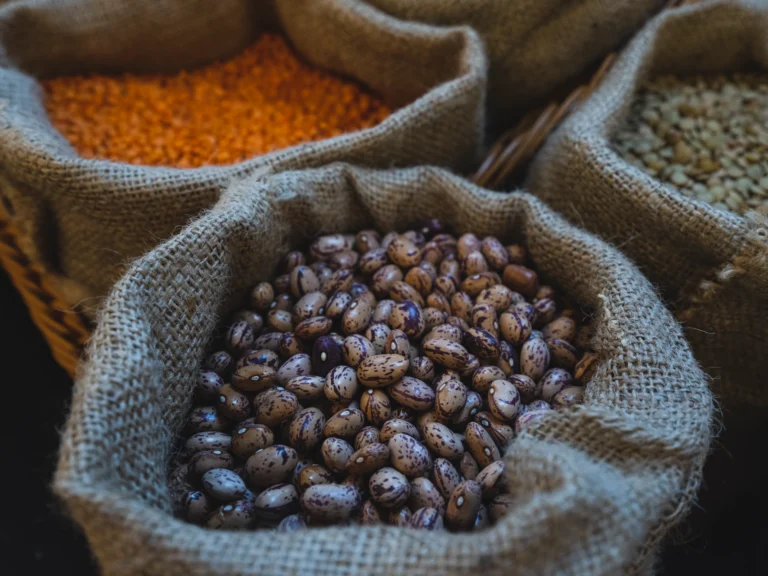
Fiber is found only in plant foods — animal foods contain none. All whole grains and legumes are rich in fiber, as are fruits and all vegetables, with the exception of starchy ones (tubers).
From a chemical standpoint, fibers are “non-digestible” carbohydrates, as our body lacks the enzymes needed to digest them. After ingestion, however, they are used by intestinal bacteria to grow and diversify. They can be divided into “soluble” fibers, which form a gel that helps retain harmful substances such as glucose and cholesterol, and “insoluble” fibers, which absorb water, increasing stool bulk and stimulating intestinal motility.
The microbiota says thank you
The consumption of fiber-rich foods, which promotes the growth of a healthy and diverse microbiota, brings multiple health benefits: it improves intestinal motility, supports blood sugar balance, reduces cholesterol and the risk of cardiovascular disease, and type 2 diabetes.
Furthermore, increased fiber intake has been linked to a reduction in all-cause mortality and mortality from certain cancers, as also shown by the results of the EPIC study, which highlighted a significant reduction in the risk of colorectal cancer for every 10 g increase in dietary fiber.
The science is clear
For these reasons, the leading scientific organizations and dietary guidelines recommend increasing fiber consumption, given that the high consumption of animal and processed foods has greatly reduced fiber intake in the population.
The new LARN recommend 12.6–16.7 g per 1,000 kcal per day, with a minimum of 25 g daily.
Plant-based diets are able, by their very composition, to increase fiber intake, especially in vegans.
Never go without it again
Fiber should be limited only in young children, especially during weaning, because it can reduce the intake of energy and nutrients needed for growth.
After the first years of life, unprocessed plant foods rich in fiber are essential for metabolic and vascular health and for reducing the risk of cancer.