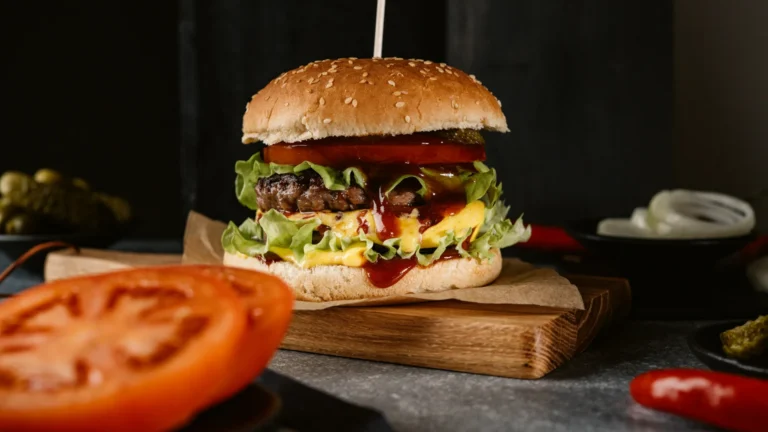

The shift toward plant-based diets in Italy is an increasingly visible reality on both a social and commercial level. According to the Eurispes 2026 Report, one of the leading national surveys tracking Italians’ self-reported dietary choices over time, 8.5% of the adult population identifies as vegetarian and 3.2% as vegan.
A survey conducted in 2023 as part of the European Smart Protein project found that 59% of Italian meat consumers surveyed reported having reduced their consumption compared to the previous year, a share higher than the average across the European countries considered, which stood at around 52%.
However, as plant-based products have become more widespread, the idea has also spread that a plant-based food is automatically healthy simply because it doesn’t contain animal-derived ingredients.
Is a plant-based product automatically healthy?
The scientific answer is a clear and unequivocal no. The plant-based origin of an ingredient is just one piece of the puzzle: the actual healthfulness of a product depends on its final composition, its nutrient density, its salt content, and the degree of industrial processing.
In psychology, this automatic association between “plant-based” and “healthy” is known as the green halo effect (also called the health halo). This is a cognitive shortcut studied in consumer psychology, as also highlighted by recent research. This mechanism leads consumers to project unrelated positive judgments (such as high digestibility, healthfulness, or reduced calorie content) onto an entire product based on a single attribute — in this case, the absence of animal derivatives. In everyday life, this halo effect leads many consumers to consider ready-made veg burgers or soy cutlets equivalent to fresh, whole foods, ignoring the radical qualitative differences between a whole legume and an ultra-processed formulation.
Why do we tend to consider plant-based products healthier?
This distorted perception is fueled by a mix of food marketing, visual communication, and specific consumer sensitivities. Marketing claims such as “source of fiber,” “high in protein,” or “plant-based,” combined with packaging that evokes sustainability, reinforce the green halo, prompting consumers to overlook less desirable ingredients.
In Italy, this perception can intertwine with the motivations driving dietary change. According to data from the Smart Protein Project (ProVeg, 2024), among Italian respondents who report reducing their meat consumption, 54% cite health among their motivations, compared to a European average of 47%. In the same survey, 84% of Italian respondents reported regularly consuming legumes. These figures show a strong focus on the health dimension of eating, which can make it especially important to distinguish between a simple “plant-based” claim and the overall nutritional quality of a product.
Can a plant-based food be poorly balanced?
Yes. To assess the nutritional quality of diets built around different meat alternatives, Tso and Forde conducted a study published in Nutrients comparing a reference omnivorous diet with dietary patterns based on traditional plant foods — mainly legumes, nuts, and soy — or on commercial, processed plant-based substitutes.
The results showed that:
- Diets built around traditional plant foods showed, overall, a more favorable micronutrient profile compared to versions based on industrial substitutes; however, in the vegan model, not all micronutrient requirements were met. In general, these models had lower levels of saturated fat, sodium, and sugar compared to the omnivorous diet.
- Diets based on industrially processed plant-based substitutes proved to be deficient in calcium, potassium, magnesium, zinc, and B12, while exceeding the omnivorous diet in saturated fat, sodium, and sugar content.
Are processed plant-based products less harmful than animal ones?
Scientific research finds itself facing a paradox: commercial meat substitutes are almost universally classified as ultra-processed foods (UPF), yet short-term clinical studies show that they can have a protective effect compared to the animal meat they replace.
A recent systematic review published in Nutrients, coordinated by researchers from the Department of Food, Environmental and Nutritional Sciences at the University of Milan, analyzed 19 human clinical studies to assess the impact of replacing meat with plant-based analogues.
Overall, the studies analyzed suggest several potential benefits, including:
- A significant reduction in total cholesterol and LDL cholesterol (often known as “bad” cholesterol, with significant decreases documented in the SWAP-MEAT study).
- A decrease in body weight and an increase in feelings of satiety.
- A reduction in TMAO (trimethylamine N-oxide) levels, which is linked to cardiovascular risk.
However, the team notes that almost all the studies were short-term, that assessments of hard clinical endpoints (such as heart attacks) are lacking, and that there is wide heterogeneity among the products tested. In addition, the lower bioavailability of key minerals such as iron and zinc in non-fortified products remains an open issue over the long term.
To understand the exact nutritional composition of what ends up in Italians’ shopping carts, the FLIP project (Food Labelling of Italian Products), carried out by the Giovani SINU working group (Italian Society of Human Nutrition) and published in Frontiers in Nutrition, analyzed the labels of 269 meat analogues sold in Italy, comparing them with their respective animal-based counterparts.
The Italian analysis conducted as part of the FLIP project found that:
- Fiber: all the plant-based substitutes analyzed contained fiber, while it was almost absent in the animal products.
- Nutri-Score: plant-based substitutes overall show a more favorable Nutri-Score profile than meat.
- Plant-based steaks: among the plant-based analogues analyzed, those in “steak” form showed the best profiles, with more protein and less saturated fat and salt.
- Burgers and meatballs: plant-based burgers on the Italian market showed lower protein content than beef burgers and a longer ingredient list — a median of 16 ingredients versus 9. For meatballs, however, the median number of ingredients was essentially the same between plant-based and animal versions (13 versus 13).
What information should we consider when choosing a processed product?
The Italian plant-based market is consolidating rapidly: according to data from the Good Food Institute Europe, retail sales in Italy reached a record 669 million euros in 2025. The plant-based meat alternatives segment is establishing itself as the second-largest category (234 million euros, equal to 35% of the total market), with plant-based burgers accounting for nearly 60% of it.
To choose products that are genuinely well-balanced, consumers should critically examine four key parameters:
- Sodium (salt): in meat analogues, salt is added both for technological reasons and to enhance flavor. Some packaged plant-based burgers can contain up to about 0.9–1.0 g of salt per 100 g, while fresh, unprocessed meat contains very low amounts. It’s therefore useful to compare labels and, all else being equal, choose products with less salt.
- Fat profile: many industrial formulations use saturated tropical oils (such as coconut oil) to mimic the texture of solid animal fat. Excessive saturated fat is not good for cardiovascular health. Products that use unsaturated vegetable oils (such as sunflower or rapeseed oil) should be preferred.
- Fortification: for plant-based substitutes, it’s worth checking whether the product is fortified with nutrients such as vitamin B12, iron, zinc, and calcium, especially when it’s used frequently in place of animal-derived foods. Fortification can indeed help improve a product’s micronutrient profile.
- Ingredient list: a good plant-based substitute should have a short ingredient list. A heavy presence of synthetic additives, thickeners (such as methylcellulose), modified starches, and artificial flavors indicates a high level of ultra-processing.
So is choosing “veg” not enough to follow a healthy diet?
No, the simple label “veg” is not, in itself, a guarantee of health. A diet based mainly on ready-made industrial veg foods, frozen meatballs, and commercial ready meals risks being unbalanced, high in salt, and low in essential, bioavailable micronutrients.
The Italian Society of Human Nutrition (SINU) emphasizes that plant-based diets are complete, safe, and strongly protective against chronic diseases, provided they are properly planned and balanced. Industrial substitutes (such as commercial plant-based burgers) should not be consumed daily, but rather viewed as convenient transitional foods. They play a useful role in helping omnivorous and flexitarian populations reduce their environmental impact without sacrificing the familiarity of taste and culinary tradition.
However, true dietary health is built by returning to the basics of nutrition: favoring fresh, whole plant foods in their natural form, such as beans, chickpeas, lentils, whole grains, seasonal vegetables, oilseeds, and nuts. This is the true path to a diet that is both healthy for people and sustainable for the planet.