
What are processed foods?
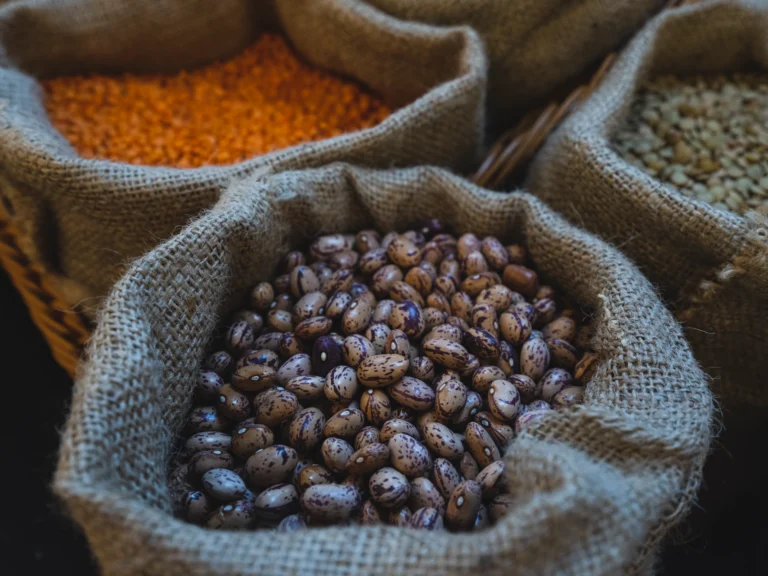
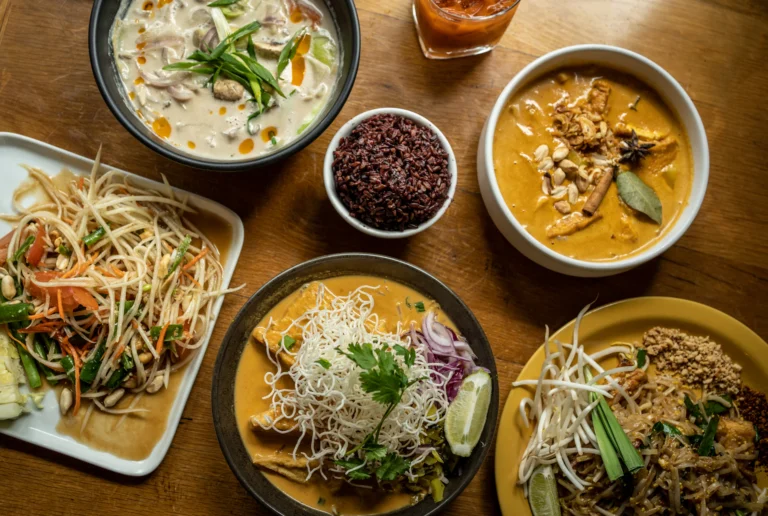
A golden ear of wheat, grandma’s hand-kneaded orecchiette with turnip greens, a plate of pasta already seasoned and sold sealed and frozen on the shelves of a hypermarket.
You start from the exact same raw material, but end up with three different fates.
The adjective processed is increasingly common and demonized nowadays, but not always well defined. Processed foods are part of our daily life, sometimes consciously, other times not.
The common belief is that they are bad for you, carcinogenic, and should be avoided as much as possible.
But what is the precise definition of the word processed?
Numerous scientists have tried to answer this question, creating numerous classifications used in the scientific field, among which the best known is the NOVA classification.
What is the NOVA classification?
The NOVA classification, recognized by international bodies such as FAO and PAHO, and proposed for the first time in 2009 by Brazilian researchers, led by epidemiologist Prof. Carlos A. Monteiro, of the University of São Paulo, aims to classify food according to its degree of processing, rather than by its nutrients.
This classification arose from the need to address an ever-growing demand, especially in countries with weaker culinary traditions, for packaged, branded, ready-to-eat or ready-to-drink products.
In these countries, rates of obesity and diabetes have grown very rapidly, which is why this team of researchers devised the NOVA classification, which goes beyond the now outdated distinction between processed and unprocessed foods.
Originally, the classification proposed dividing processed foods and beverages into three groups, namely:
- Group 1) Minimally processed foods
- Group 2) Substances extracted from whole foods
- Group 3) Ultra-processed foods obtained by processing products belonging to group 2, with possible small additions of group 1 foods
The classification was later revised in 2016, dividing foods into four groups.
Group 1) Unprocessed or minimally processed foods
These are foods that reach the table in their original form, or after simple treatments that do not substantially alter their nature. This category includes fruit, vegetables, legumes, cereals, eggs, milk, meat, fish, mushrooms, algae and water. Foods subjected to operations such as washing, cutting, drying, freezing, pasteurization, grinding or cooking are also included, provided no salt, sugars, oils, fats or other ingredients are added. The purpose of these processes is mainly to make foods safer, more durable or easier to prepare.
Group 2) Processed culinary ingredients
These are substances obtained from group 1 foods or from nature through processes such as pressing, refining, grinding or extraction. They are not meant to be consumed on their own, but to cook, season or prepare other foods. Examples include oil, butter, sugar, salt, honey, starches and other ingredients commonly used in home meal preparation.
Group 3) Processed foods
These are products obtained by combining group 1 foods with group 2 ingredients, usually to improve their preservation, taste or convenience. This category includes, for example, canned vegetables and legumes, fruit in syrup, preserved fish, cheeses, fresh bread, salted, dried or smoked meats or fish. These are therefore recognizable foods, still close to the starting raw material, but modified through the addition of salt, sugar, oil or other culinary ingredients.
Group 4) Ultra-processed foods and beverages
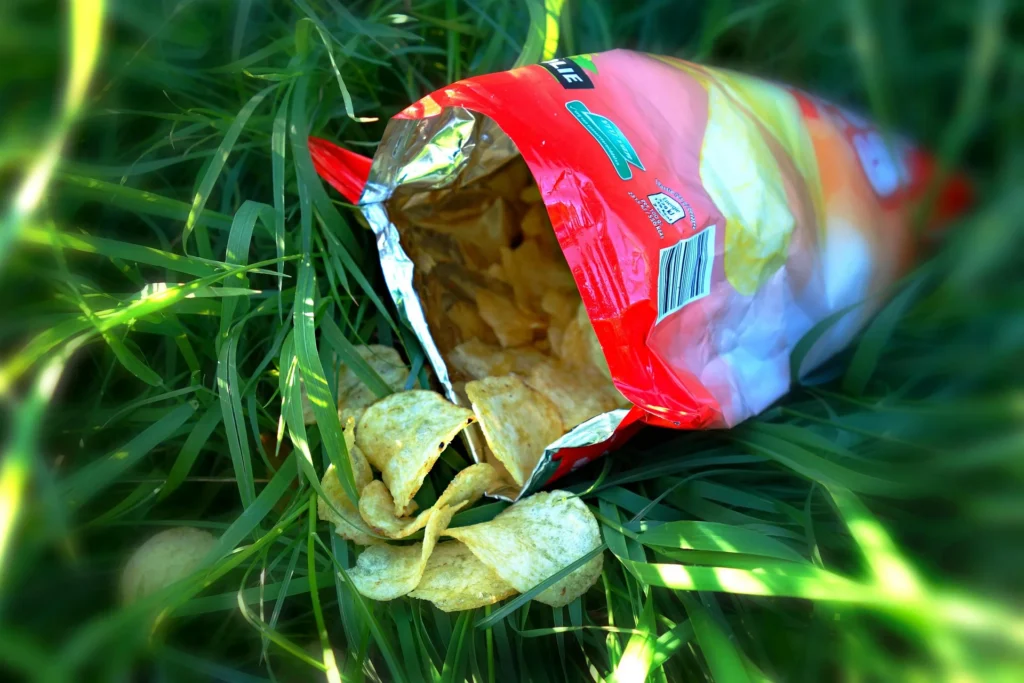
The fourth group is that of ultra-processed foods and beverages. Here we’re no longer talking simply about processed foods, but about complex industrial formulations, often obtained starting from extracted or modified ingredients, such as protein isolates, hydrogenated oils, syrups, modified starches, flavorings, emulsifiers, colorings, sweeteners and other additives. These are products designed to be convenient, highly palatable, easy to preserve and often ready to eat. This category includes many packaged snacks, sugary drinks, breakfast cereals, snack cakes, industrial biscuits, ready meals, instant soups, packaged sauces, flavored beverages, industrial baked goods and some meal replacements.
The distinction between the NOVA groups therefore does not concern only the presence or absence of processing. Almost all the foods we eat are, to some extent, processed. The key point is understanding what type of processing has been applied, with which ingredients and for what purpose: the substantial difference lies between preserving and making a food usable, versus creating an industrial product that is very far removed from the original raw material.
What impact do processed products have on our lives and our health?
The analysis of dietary patterns worldwide indicates a move towards increasing use of ultra-processed products.
The shift in dietary patterns from simple foods to processed foods has been attributed to many key factors, including behavioral mechanisms, food environments and commercial influences on food choices. These factors, combined with the specific characteristics of ultra-processed foods, raise concerns about the quality of a diet that includes these products and about the health of populations in general.
The American Heart Association’s dietary guidelines indicate that heart-healthy diets mainly include fruit and vegetables, whole grains, healthy protein sources, liquid non-tropical vegetable oils (for example, soybean, canola, olive oil) and minimally processed foods; they are also low in beverages and foods with high amounts of added sugars, saturated fats and sodium.
Monteiro and his collaborators illustrate, through three hypotheses, how ultra-processed products have a negative impact on health:
The first hypothesis holds that ultra-processed products are globally displacing traditional diets; in high-income countries, overall sales have slightly decreased following the decline in sugary carbonated drinks (probably due to regulatory policies), but all other subgroups have shown stable or growing sales, highlighting the persistence of the ultra-processed pattern once established.
The second hypothesis documents that exposure to the ultra-processed pattern widely degrades diet quality through four main mechanisms:
- Severe nutritional imbalances: a meta-analysis found an increase in energy intake proportional to the share of ultra-processed foods, associated with other health-damaging nutritional profiles. Processed foods on the market often have low nutrient density (with lower levels of dietary fiber, micronutrients and vitamins) or high nutrient density (of saturated fats, simple carbohydrates, sodium), unbalancing diets and causing nutritional deficiencies or chronic conditions.
- Promotion of caloric overconsumption: a trial showed that a diet with a higher share of ultra-processed foods can contribute 500 kcal/day more, with an equivalent nutritional profile. The mechanisms of overconsumption include high energy density, soft texture that eases chewing, and subtle marketing tactics; indeed, many ultra-processed products meet the addiction criteria used for tobacco products, including compulsive use and reinforcement.
- Reduced intake of protective phytochemicals
- Increased exposure to xenobiotics and additives, such as toxic compounds generated during production, endocrine disruptors released from packaging, and food additives. Studies have shown that during pregnancy, higher consumption of UPF has been associated with higher maternal concentrations of phthalates and PFAS in the umbilical cord.
The third hypothesis concerns the increased risk of chronic diseases: analyzing about a hundred studies, the authors observed an increase in risk. The negative impact of this increase was found to be similar, in magnitude, to the protective benefits of the Mediterranean diet, even after accounting for variables such as smoking, alcohol, BMI and physical activity.
Premium processed foods, can they be trusted?
The term “premium” is used by the food industry to refer to ultra-processed foods that, compared to “normal” products, contain less fat, or no trans fat, or less sugar, less salt, more added micronutrients, or sometimes more whole foods like fruit and nuts. Some of these changes, such as the absence of trans fats and limited salt content, are obviously positive. Other times they may seem no better, at best, such as a reduction in fat that is offset by an increase in sugar content.

Certain modifications, such as the addition of synthetic vitamins and minerals to soft drinks or high-energy-density snacks, will not make these products healthy foods, but consumers are led to believe they are.
The same concern applies to “light” products, whose “reduced” density of sodium, sugar or fat is still much higher than recommended levels, and to artificially sweetened beverages that stimulate cravings for sweetness, making people more likely to eat sweet foods.
The increased proportion of whole foods in some “premium” ultra-processed foods is positive, but such products are generally expensive and accessible only to a few.
Moreover, they too are foods designed to be fast, convenient and accessible. This leads to “snacking” and skipping main meals, or eating while distracted by something else.
Does the NOVA classification have limits?
Like any tool, the NOVA classification also has limitations that should be kept in mind.
The most frequently cited limitation is the low precision in defining ultra-processed foods. NOVA criteria are in fact based on qualitative descriptors (i.e., the form in which the food appears compared to its natural state) and on the presence of specific ingredients and additives, which can introduce subjectivity and classification errors.
Furthermore, the NOVA classification does not distinguish nutritional quality within group 4. Very different foods, from carbonated drinks to packaged whole-grain bread, from flavored yogurt to plant-based milks, are grouped in the same category, without taking into account their nutritional profile. This creates a gray area for products such as packaged hummus, industrial whole-grain bread and plant-based drinks, which may play a positive role in the diet but end up classified as ultra-processed.
Other researchers also argue that the NOVA classification is partly tautological: since added sugars are one of the criteria used to define a food as ultra-processed, showing that processed foods contain a lot of added sugars is a circular conclusion. Moreover, in these cases, the observed associations between these foods and obesity could be entirely explained by nutritional factors that are certainly more conventional and quantifiable, such as energy density, intrinsic fiber, glycemic load and added sugars, without the cause necessarily being food processing itself.
Another criticism raised is the treatment of industrial practices as primary drivers of consumption, without adequately investigating pre-existing structural conditions. Evidence indicates that socioeconomic status, access to food and available time predict dietary patterns more strongly than the processing category.
Another piece of research points out that NOVA does not meet the criteria required for dietary guidelines: comprehensibility, economic accessibility, feasibility and applicability.
Finally, some scholars point out that most of the evidence gathered on the adverse effects of UPFs is observational in nature and cannot establish causality.
If reading this paragraph has made you realize you want to know more about the concept of nutritional profile and would like to learn how to read nutrition labels, I invite you to read the dedicated article.
Could implementing the NOVA classification help an average citizen shopping at the supermarket?
To date, no country has made a specific label indicating the NOVA group directly on the package mandatory.
Front-of-pack labeling systems are not mandatory in any European country, although in some countries companies use Nutri-Score, which we cover in more depth in the dedicated article; the situation is different in many countries outside Europe, where an absolute requirement for front-of-pack labeling has been introduced, adopting a philosophy much stricter than Nutri-Score: warning labels.
Could making warnings on ultra-processed foods mandatory help?
On this point, an article published in 2025 in the scientific journal The Lancet explicitly proposes pairing UPF warnings alongside Nutri-Score classifications on front-of-pack labels; especially in South America, particularly in Brazil, the birthplace of the NOVA classification, experimental studies have shown that combining UPF warning labels with nutritional labels improves consumers’ ability to correctly identify UPFs compared to nutritional labels alone; moreover, platforms such as Open Food Facts and apps such as Yuka and Perfact already use algorithms that integrate the NOVA classification with nutritional profile.
Is the NOVA classification, then, a useful tool?
The NOVA classification can certainly be a useful tool, by adopting an integrated approach that combines the assessment of nutritional profile (Nutri-Score, traffic light, warning labels) with the classification of processing degree (NOVA), since the two systems capture distinct and complementary dimensions of health risk.
The scientific evidence regarding the effects of ultra-processed products on the body still needs further investigation, but, to quote a famous passage: “All scientific work is incomplete—whether it be observational or experimental. All scientific work is liable to be upset or modified by advancing knowledge. That does not confer upon us a freedom to ignore the knowledge we already have, or to postpone the action that it appears to demand at a given time.”
The knowledge we already have about the enormous negative effects of diets rich in ultra-processed foods, and the growing global consumption of these products, certainly calls for urgent public health action.
To continue exploring these topics, you can subscribe to the REFOOD newsletter, a space where you can receive updates, practical guides and evidence-based tools to help you navigate nutrition, health and sustainability better.