The Common Agricultural Policy (CAP) is the largest spending item in the European Union’s budget, accounting on its own for around one third of total EU funds. It is a vast system of subsidies and programmes aimed at supporting European farmers and regulating food production. Historically, the majority of CAP funds have been allocated based on the size of farms (number of hectares managed), rather than following strategic or environmental objectives.
The importance of the CAP is fundamental for several reasons:
- Economic and social impact: The CAP manages enormous volumes of public money — in 2020 it distributed approximately €50.6 billion. These funds are vital for the survival of many farmers: for example, beef and sheep producers depend on subsidies for around 96% of their income.
- Influence on lifestyles: Through subsidies, the CAP shapes the way Europeans eat. Currently, the system favours animal-based products to an incomprehensibly high degree, with these receiving approximately 77% of all CAP funds allocated to food production. This creates a competitive advantage for meat and dairy over healthier and more sustainable foods such as legumes, vegetables, fruit, seeds, and nuts.
- Climate and environmental challenges: The food system has been identified as the primary driver behind the crossing of five planetary boundaries, including climate change and biodiversity loss. Since animal-based products cause between 81% and 86% of the greenhouse gas emissions from EU food production, the decisions made under the CAP are crucial for achieving the climate targets of the Paris Agreement.
- Public health: The CAP indirectly influences diet-related healthcare costs. Diseases associated with the consumption of animal-based foods in the EU cost approximately €452 billion in 2022; therefore, reforming the CAP to support more plant-based diets is considered an opportunity to improve citizens’ health and reduce pressure on healthcare systems.
According to a recent analysis by Foodrise based on scientific data published in peer-reviewed journals, in 2020 beef and lamb received 580 times more EU subsidies than legumes.
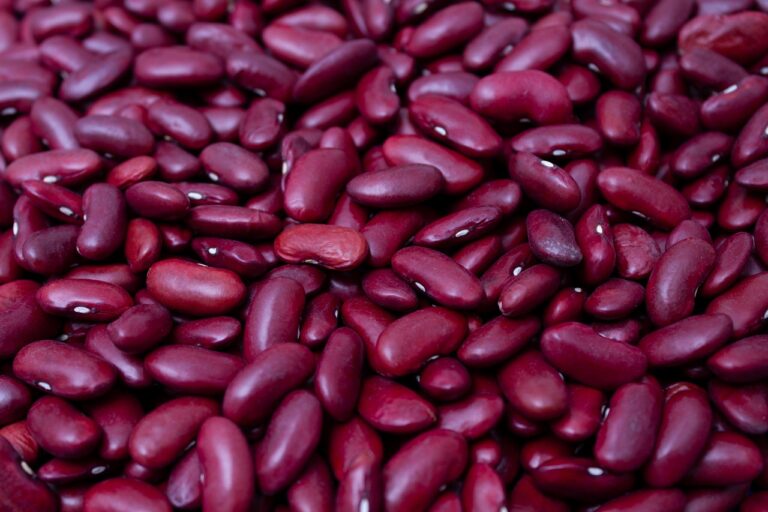
While beef and lamb were funded with a figure equal to €8 billion, legumes received only €14 million. In other words: 580 times more for beef and lamb compared to lentils, beans and other legumes.
But this disproportion is not limited to meat — the dairy sector, in fact, received approximately 554 times more funds than the nuts and seeds sector.
Overall, it is estimated that in 2020 animal-based products benefited from €39 billion in CAP subsidies, representing almost a quarter (23%) of the entire total EU budget and approximately 77% of all agricultural funds allocated to food production, while fruit and vegetables received only €3.6 billion and cereals €2.4 billion.
An incredible paradox when one considers that the EU funds the fruit and vegetables in schools programme to the tune of millions of euros.
The environmental and health impact
This subsidy system fuels a production model that experts consider destructive.
Animal-based products cause between 81% and 86% of greenhouse gas emissions from EU food production, while providing only 32% of calories and 64% of the protein consumed.
Beyond the climate, the public health costs are enormous. Diet-related diseases and the consumption of animal-based foods in the EU entailed estimated healthcare costs of €452 billion in 2022, as also demonstrated by the EAT-Lancet study. Agriculture is also responsible for the vast majority of ammonia air pollution and nitrogen contamination of waterways, problems caused primarily by manure and the excessive use of fertilisers for animal feed.
The obstacle of lobbying and politics
Despite the Strategic Dialogue on the Future of EU Agriculture having acknowledged in 2024 the need for a transition towards more plant-based diets, powerful agro-industrial lobbies have exerted pressure to maintain the status quo. Between 2014 and 2020, the meat and dairy industry spent approximately €15 million on lobbying activities within the EU.
The CAP Strategic Plan 2023/2027 also set out the intention to pursue Environmental Objectives and Eco-schemes, for which €44.7 billion was allocated, yet restrictive measures have recently been voted into law, such as the ban on plant-based products using terms like “steak” or “burger”.
Recommendations for the future
The Foodrise report and various experts suggest a radical reform of the post-2027 CAP, proposing to:
- Rebalance payments to support diversification towards plant-based crops for direct human consumption.
- Establish a Just Transition Fund for the Agri-food sector to help livestock farmers convert their operations or reduce herd sizes in a sustainable manner.
- End the use of public funds for the promotion and marketing of meat and dairy products, which between 2016 and 2020 absorbed 32% of the CAP’s promotional budget.
The EU today stands at a strategic crossroads: the decisions that will be made for the CAP covering the period 2028–2034 will determine whether Europe manages to transition towards a healthy, sustainable and resilient food system, or whether it will continue to fund a destructive model.