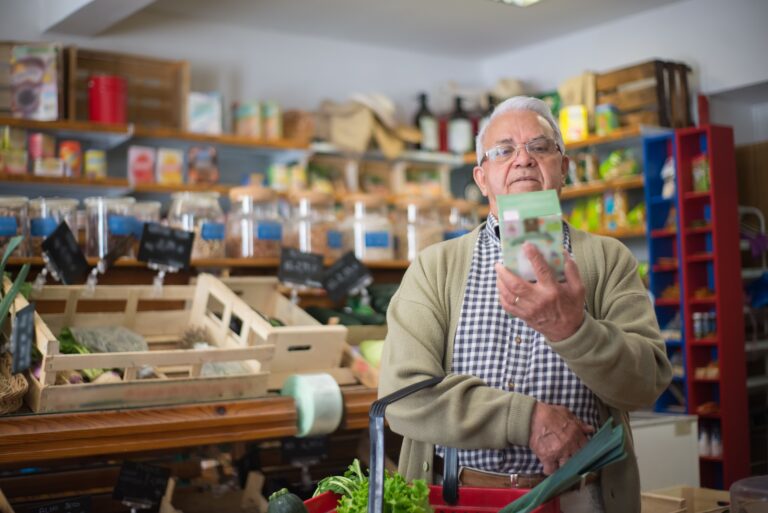

In recent years, veganism has seen significant growth globally, not only as a dietary choice but as a philosophy of life that embraces a range of ethical and environmental values. In the United Kingdom, this phenomenon has led to relevant legal developments, particularly with the inclusion of vegans among the protected subjects under the Equality Act of 2010 under the category of “religion or belief”. This means that both in the public and private sector, there is a legal obligation not to discriminate against those who identify as vegan. This protection is fundamental to ensuring fair and respectful treatment for those who embrace this philosophy of life.
The Implications of the Equality Act 2010
The Equality Act of 2010 represents a milestone in the protection of the rights of minorities, including vegans. The law requires institutions, especially those in the public sector, to remove the disadvantages faced by those who possess protected characteristics, such as vegans. This regulatory framework, which prohibits any form of direct discrimination, clearly defines the boundaries within which indirect discriminatory actions may be taken. In exceptional cases, indirect discrimination can be considered legitimate only if justified by specific, strictly limited and proportionate circumstances.
Beyond discrimination, the Equality Act extends its protection to harassment and victimisation as well. Harassment can include verbal, written or even digital behaviour, such as social media posts, that aim to denigrate those who follow a vegan lifestyle. For example, derogatory comments, offensive gestures or images that ridicule veganism may constitute forms of harassment prohibited by law. Furthermore, if a vegan, in attempting to assert their equality rights, suffers retaliation, a case of victimisation may arise, which is also sanctionable under the law.
The Role of the Human Rights Act 1998
In support of the protections offered by the Equality Act, the Human Rights Act of 1998 adds further guarantees for vegans, establishing that public authorities cannot interfere with a person’s right to practise veganism. This includes situations in which, for example, a vegan might be compelled to participate in practices contrary to their own ethical convictions. Interference is permitted only if it is a proportionate means of pursuing a legitimate aim, a concept that requires rigorous, case-by-case assessment.
Practical Challenges for Vegans in the Public Sector
Despite the robust legal protections, vegans in the United Kingdom, as is unfortunately the case in every part of the world, often have to face practical challenges in seeing their rights respected, especially in institutional settings such as schools, hospitals or prisons. For example, the lack of vegan meals in a school or hospital could constitute a violation of the Equality Act and the Human Rights Act, as these institutions are required to respect the rights of vegans. Awareness of one’s own rights is therefore crucial in addressing these difficulties. With the increase in public knowledge, vegans feel increasingly supported in defending their interests and managing everyday challenges, such as the right to have vegan food options in public institutions.
The Jordi Casamitjana Case and the Protection of Ethical Vegans
An emblematic case that marked a step forward in the legal protection of vegans is that of Jordi Casamitjana, an ethical vegan dismissed by his employer, the League Against Cruel Sports, for alleged misconduct. Casamitjana had discovered that the organisation was investing pension funds in companies involved in animal testing and reported this to his colleagues. This led to his dismissal, which he believed was connected to his ethical convictions relating to veganism.
In January 2020, the tribunal had to determine whether ethical veganism could be considered a “philosophical belief” and therefore a protected characteristic under the Equality Act of 2010. The ruling was historic: ethical veganism was recognised as a protected belief, prohibiting employers from discriminating against those who practise it. This recognition not only strengthened Casamitjana’s position in his legal battle, but also created a significant legal precedent for all ethical vegans in the United Kingdom.
Implications for the World of Work
The landmark ruling has direct implications for employment practices in the United Kingdom. Employers must now ensure that vegan employees are not discriminated against, unless there is an objective justification for doing so. For example, if a vegan employee refuses to carry out tasks that conflict with their own values, such as preparing a drink containing cow’s milk, the employer may need to find a reasonable alternative. However, challenges remain in precisely defining how far these protections extend. While mistreatment and bullying related to veganism are clearly protected, other practical situations may still raise legal questions.
Challenges and Future Prospects
The recognition of ethical veganism as a protected characteristic is a significant step forward, but there is still work to be done to ensure that legal protections translate into concrete safeguards in everyday life. In the United Kingdom, the growing awareness of these laws is allowing vegans to feel more confident in defending their rights. However, practical and legal questions remain open, especially regarding the daily implementation of respect for ethical veganism, both in the workplace and in public institutions.
Conclusion
Being vegan today does not simply mean making a life choice based on personal convictions, but also entails a series of recognised legal rights. British laws, such as the Equality Act of 2010 and the Human Rights Act of 1998, offer significant protection to those who adopt veganism as a philosophical belief, but practical challenges remain. The key to addressing these difficulties lies in knowledge and awareness of the existing protections. As REFOOD, we will work to ensure that similar levels of protection for vegans are also achieved in Italy, allowing those who have made this ethical choice to see it respected in every area of public and working life.