An infopoint at the supermarket
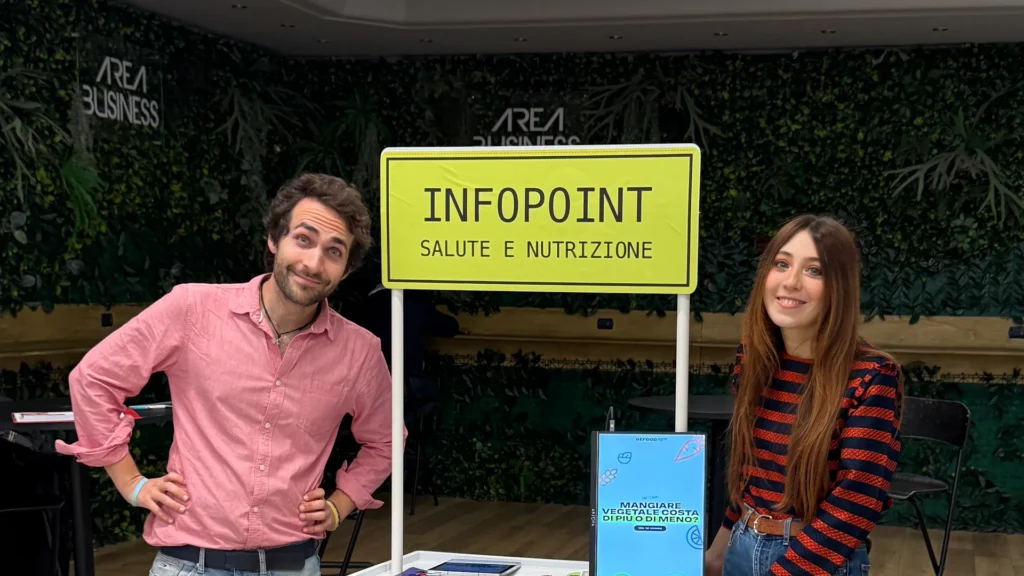
On Saturday, October 31, 2026, a doctor and a nutritionist biologist spent the day next to the entrance of the Ipercoop in Santa Caterina, Bari. Their task: to stop people coming in to do their shopping and talk about a topic that, between one shopping cart and the next, doesn’t often come up — plant-based nutrition.
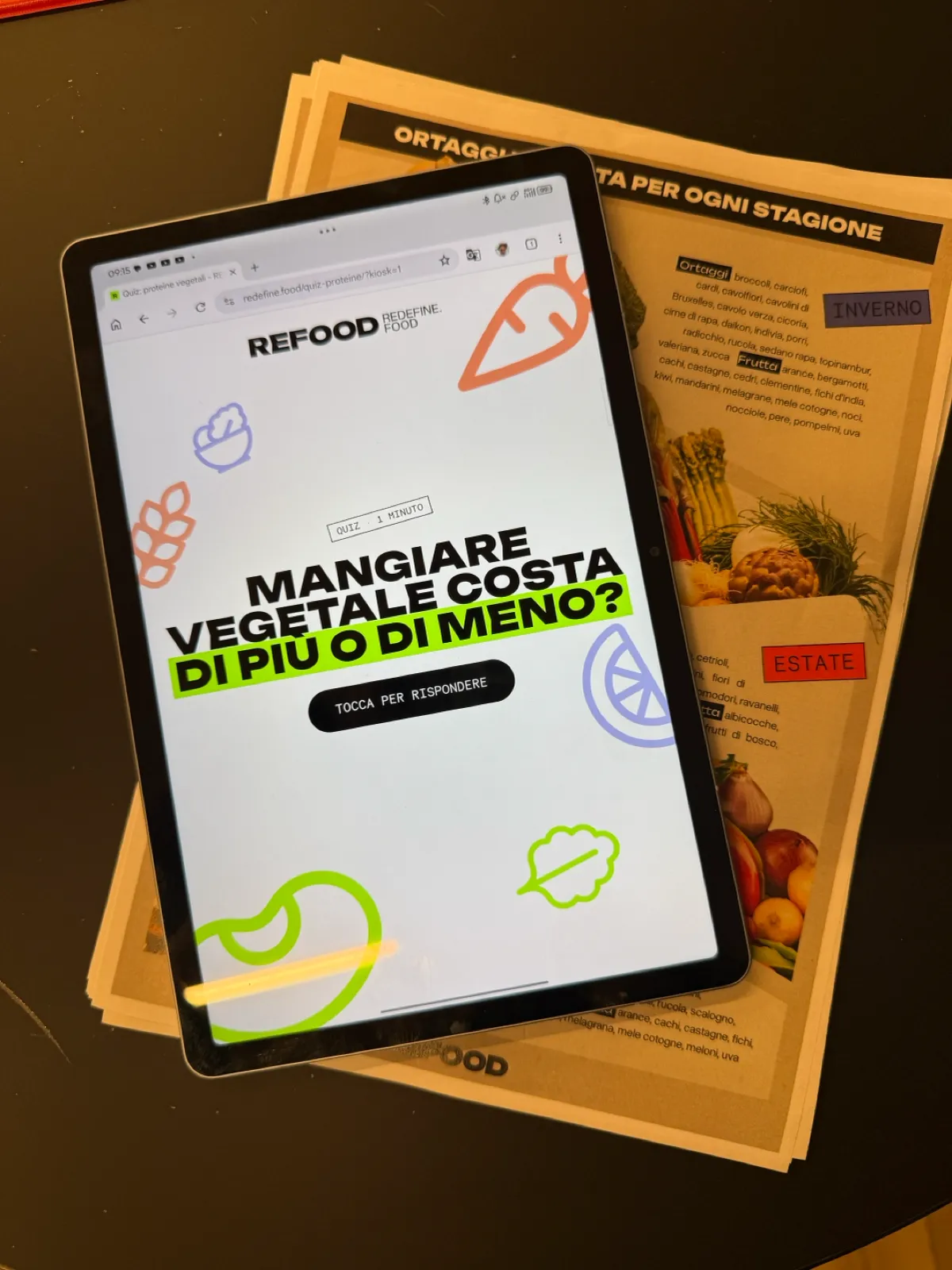
Behind REFOOD’s green stand, with the sign Health and nutrition infopoint, were the doctor Cesare De Virgilio Suglia and the nutritionist biologist Miriana Giampietro. With them, a tablet with a short quiz, flyers, pins and copies of REFOOD’s recipe book to give away to participants.
The occasion was World Vegan Day, celebrated every year on November 1st. The day was established in 1994 by Louise Wallis, then head of the British The Vegan Society, to celebrate the association’s 50th anniversary and the word vegan. We chose to celebrate it not at an industry event, but in the place where food choices are really made: the supermarket.
The question that stops everyone: does it cost more?
To break the ice, we asked people a few quick questions: how often they eat legumes, whether they think legume proteins are less “good” than meat proteins, and above all, whether eating plant-based costs more or less.
On this last point, the most frequent answer was blunt: “More.” This is one of the most deeply rooted misconceptions about plant-based food, and an example of how much misinformation about plant-based eating weighs on everyday choices.
Spoiler: it costs less. A study by the University of Oxford published in The Lancet Planetary Health compared the cost of different dietary patterns in 150 countries: in high-income countries, including Italy, a vegan diet based on simple foods costs up to a third less than the meat- and dairy-rich Western diet, while a flexitarian diet saves about 14%.
The condition is choosing basic ingredients — dried or canned legumes, grains, seasonal vegetables — rather than ready-made products. Plant-based meat substitutes can be convenient, but they are not all the same, neither in price nor in nutritional profile.
Then the magic happens
The best part came after the quiz. In one day we talked with about 100 people, more than triple the goal we had set for ourselves. They stopped, listened, talked about their own habits and asked questions. And often changed their minds within a few minutes: those who had answered “more” left with a more cautious “today it’s about the same, maybe even a bit less.”
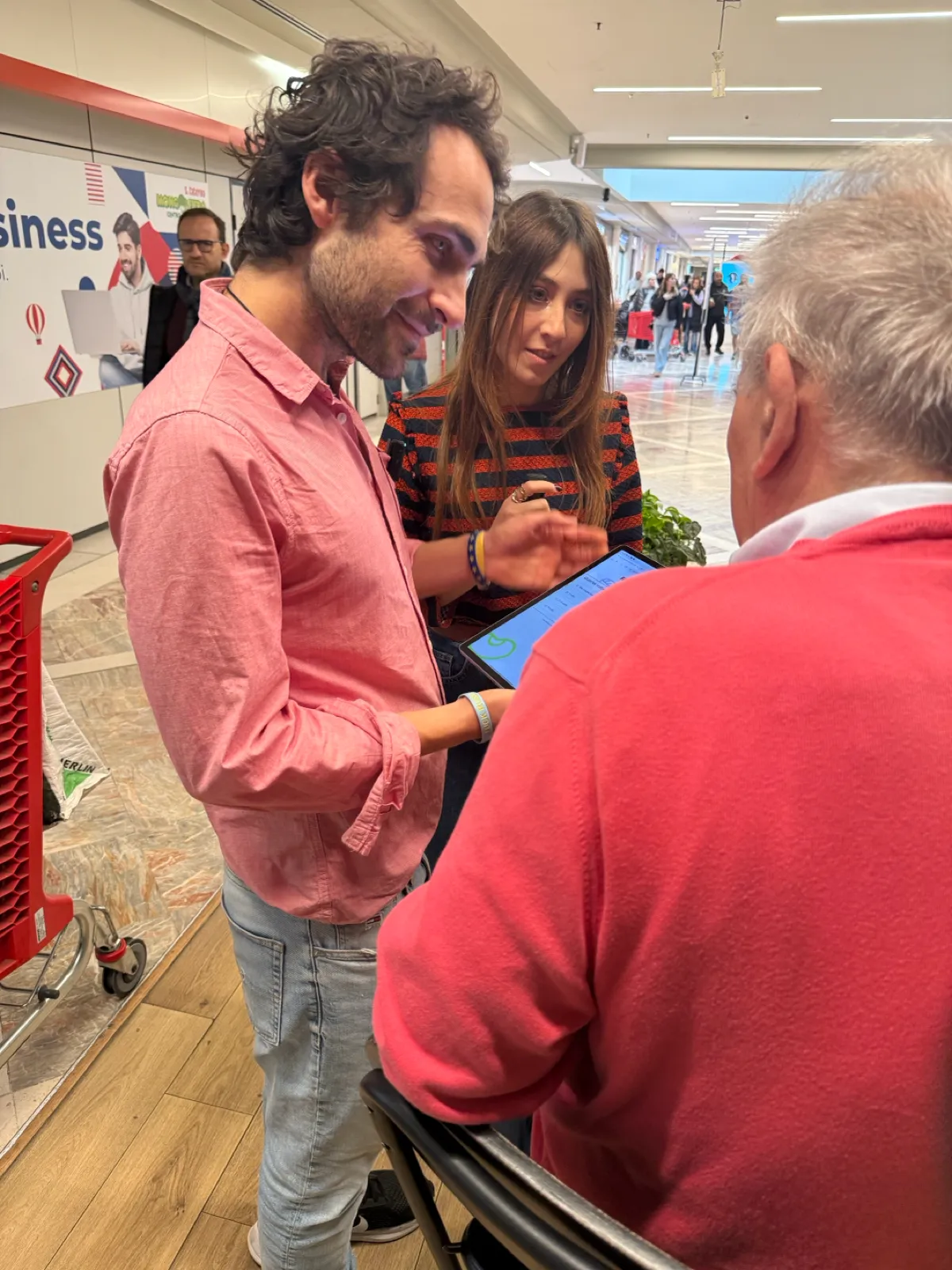
The most frequent doubts were the usual ones.
Are plant proteins enough? Yes. Plant-based foods contain all the essential amino acids and, according to the European Food Information Council, there’s no need to combine legumes and grains in the same meal: what matters is the overall intake for the day, as long as the diet is varied and sufficient. We talked about this in plant proteins are all we need.
How many legumes should I eat? The CREA Guidelines for Healthy Eating place legumes in the same food group as meat, fish and eggs and recommend at least three servings a week. A threshold that, according to the ARIANNA project of the Italian National Institute of Health, fewer than half of Italians reach. Yet legumes bring protein, iron and above all dietary fiber, with no cholesterol.
The recipe book, to continue at home
We gave participants a REFOOD mini recipe book as a gift. Inside are simple legume-based ideas and a QR code that leads to the healthy and tasty recipes section of our website, where the offerings continue with recipes for every season.
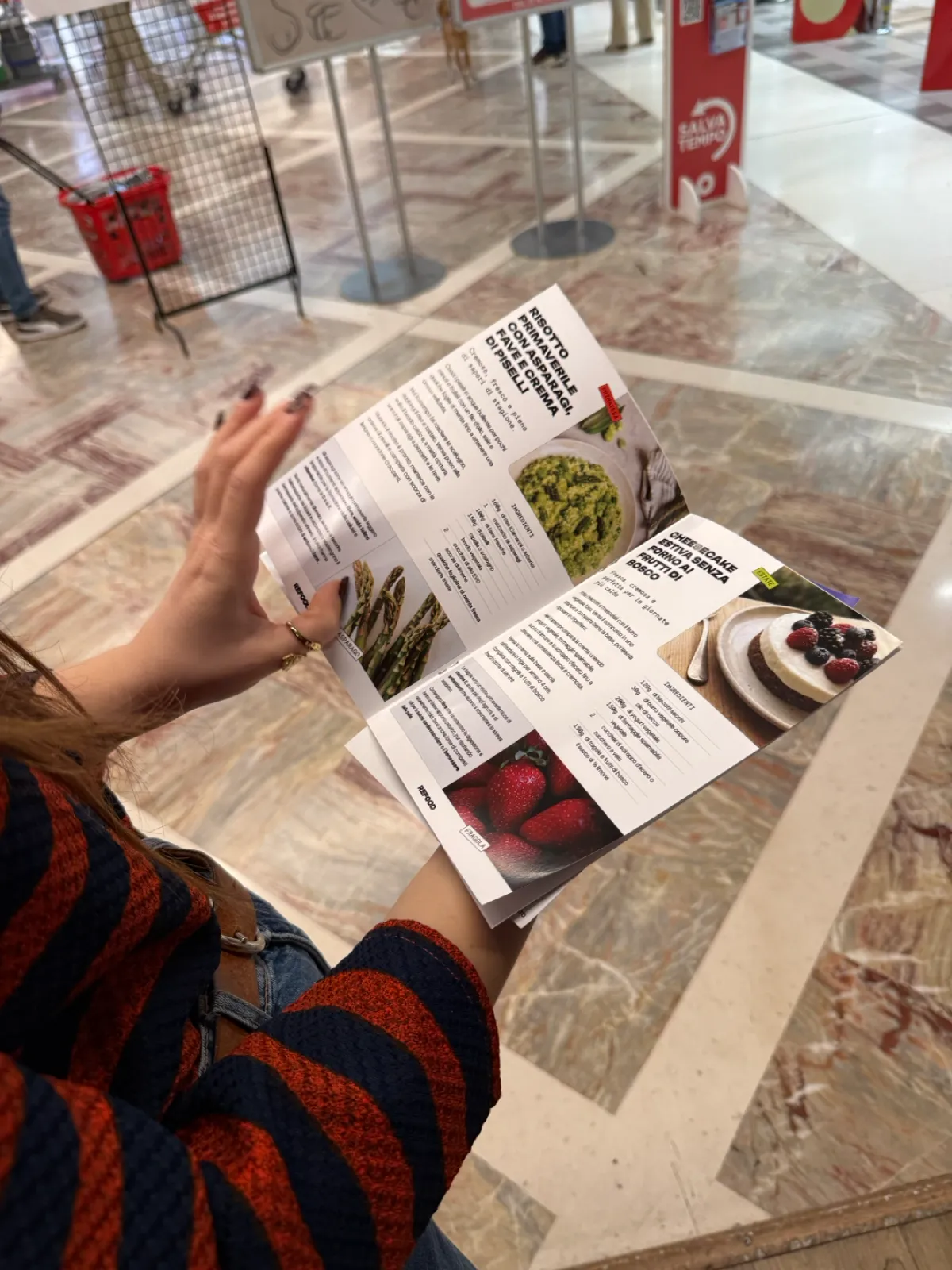
That was the goal: to leave the supermarket with one more piece of information and a recipe to try that very evening. If you weren’t at the Ipercoop, you can test yourself with our plant protein quiz.
What we’re taking home
The day confirmed something we suspected. Many people don’t choose plant-based not because they don’t want to, but because they start from mistaken beliefs: that it costs too much, that it’s not nourishing enough, that it’s complicated. It only takes one honest conversation, with clear data, to dismantle them.
Our food choices depend on what we find on the shelves, how much it costs and how it’s presented to us. That’s why REFOOD works on several fronts, from collective catering with the Greener Canteens campaign to educational projects. And that’s why we want to keep doing it even where people do their shopping: with the right work, a fairer and healthier diet can reach everyone. Even in a supermarket in Bari.
Thanks to everyone who stopped, who asked questions, and who told us how they eat. Happy World Vegan Day!
Stay in touch with us
- Follow REFOOD on Instagram to see photos and videos of the day;
- sign up for the REFOOD newsletter, to receive news and insights on plant-based nutrition every two weeks;
- become a member to join our community;
- support REFOOD with a donation, to bring initiatives like this one to more and more cities.